How to Improve Dirt Bike & ATV Trails in Tuolumne County
See below on how we can build a Thriving Trail System Maintenance System.
How Tuolumne County Can Restore and Grow Dirt Bike & ATV Riding Areas
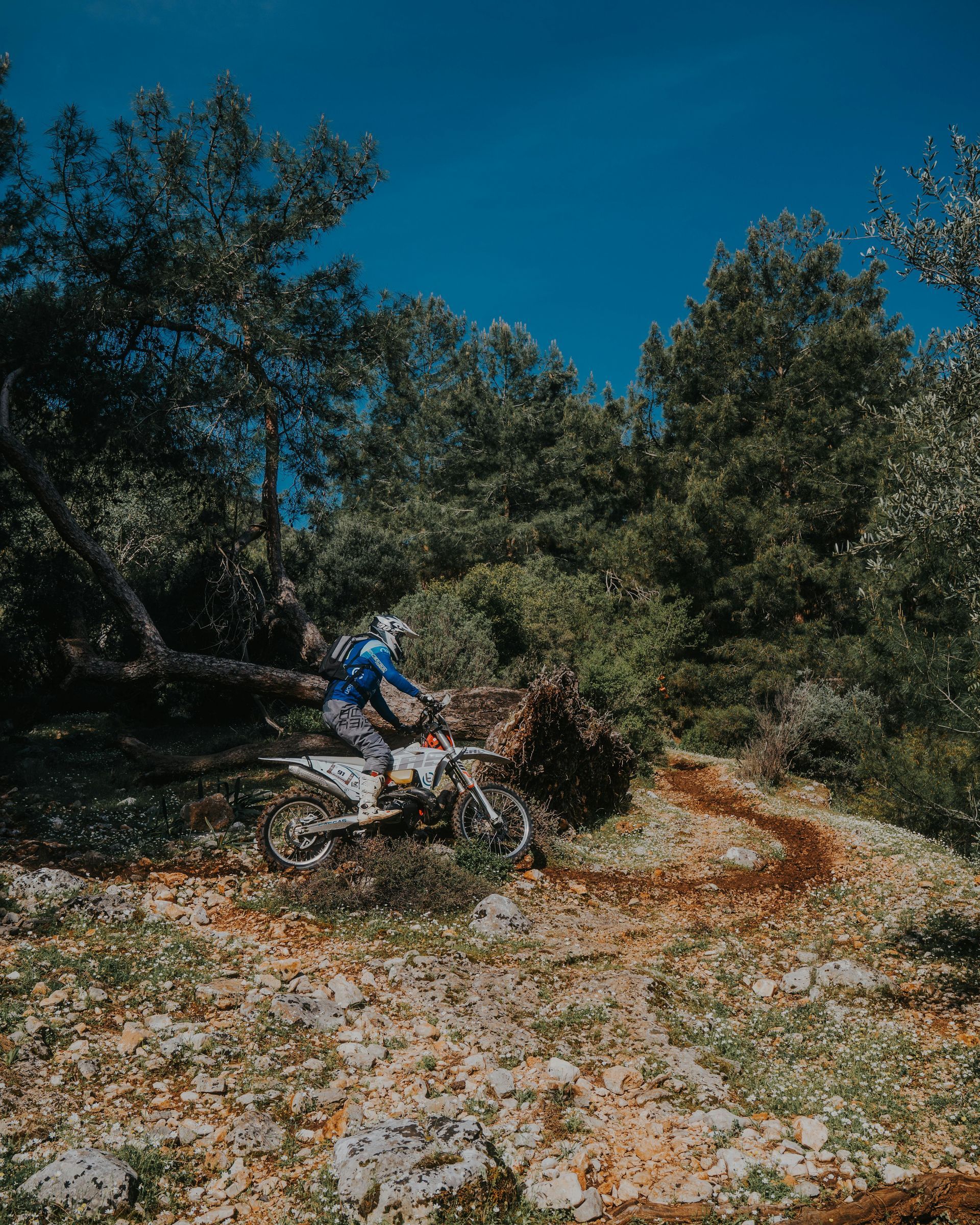
Tuolumne County is home to some of the most raw, scenic, and rewarding off-highway riding terrain in Northern California. From winding forest routes to open mountain corridors, our dirt bike and ATV trail systems offer something special that riders don’t find just anywhere. But many of these areas are at a crossroads.
Places like Deer Creek, Hull Creek, and Eagle Meadows hold enormous potential, yet without ongoing care, funding, and organization, trails degrade, access shrinks, and closures become more likely. The good news is this: local riders and community members can do far more than just volunteer. With the right structure, these trail systems can be improved, protected, and even supported through paid stewardship roles.
This is how it actually works.
Do Trail Systems Have to Rely Only on Volunteers?
No. While volunteer labor has always been the backbone of OHV trail maintenance, it is not the only option and it is no longer the most sustainable one.
Many California trail systems are supported through:
- Organized nonprofit groups
- Grant-funded trail programs
- Paid seasonal and part-time trail crew positions
- Partnerships with forestry and land management agencies
Volunteer days still matter, but structured organizations unlock funding, equipment, insurance coverage, and long-term planning that casual efforts simply cannot.
Can You Start a Nonprofit for Dirt Bike & ATV Trails?
Yes, and many successful OHV riding areas across California are supported by nonprofits.
A trail nonprofit typically:
- Is registered as a California nonprofit corporation
- Applies for 501(c)(3) or 501(c)(4) status
- Has a board of directors and clear mission
- Works directly with land managers
- Applies for grants and manages trail projects
Once established, a nonprofit can legally create paid positions as long as wages are reasonable and tied to real work such as trail maintenance, coordination, education, or safety programs.
This is how trail advocacy becomes a real job, not just a weekend obligation.
What Kind of Paid Positions Are Possible?
Common paid roles within OHV trail nonprofits include:
- Trail Maintenance Coordinator
- OHV Program Manager
- Volunteer & Event Coordinator
- Equipment Operator or Trail Crew Lead
- Grant Administrator
- Community Outreach Director
These roles are often part-time or seasonal at first, funded through grants and program allocations, but many grow into long-term positions as funding stabilizes.
What Grants and Funding Are Available in California?
California offers some of the strongest OHV funding programs in the country.
California OHV Grants Program
Funded by green sticker and red sticker fees, this program supports:
- Trail maintenance and restoration
- Erosion control and environmental protection
- Equipment purchases
- Safety education
- Law enforcement and signage
These grants are commonly used to pay:
- Trail crews
- Equipment operators
- Program coordinators
Forestry & Land Management Resources
Local, state, and federal land agencies often partner with nonprofits rather than managing trails alone.
Support can include:
- Technical expertise
- Environmental planning assistance
- Matching funds
- Equipment access
- Long-term stewardship agreements
This is where areas like Deer Creek, Hull Creek, and Eagle Meadows can benefit the most from organized advocacy instead of informal use.
Additional Funding Paths
- Recreation and conservation grants
- Community foundation grants
- Corporate sponsorships from outdoor brands
- Fundraising rides and events
- Local business partnerships
Together, these streams can sustain real trail improvement year after year.
Why Local Riding Areas Matter
Trail systems don’t just benefit riders. Healthy OHV areas:
- Reduce illegal riding and environmental damage
- Support tourism and local businesses
- Keep families recreating close to home
- Preserve access for future generations
When trails are ignored, closures follow. When they are cared for, they thrive.
The Future of Riding in Tuolumne County
Tuolumne County has the land, the riders, and the passion. What’s needed now is structure.
With organized nonprofits, grant funding, and cooperative partnerships, local riding areas can:
- Expand responsibly
- Improve safety and sustainability
- Create paid local stewardship jobs
- Secure long-term access
This isn’t about bureaucracy. It’s about protecting the places we already love.
If you ride Deer Creek, Hull Creek, Eagle Meadows, or any of Tuolumne County’s backcountry routes, this is your invitation to think bigger than just the next ride. The trails will only be as strong as the people standing behind them.